

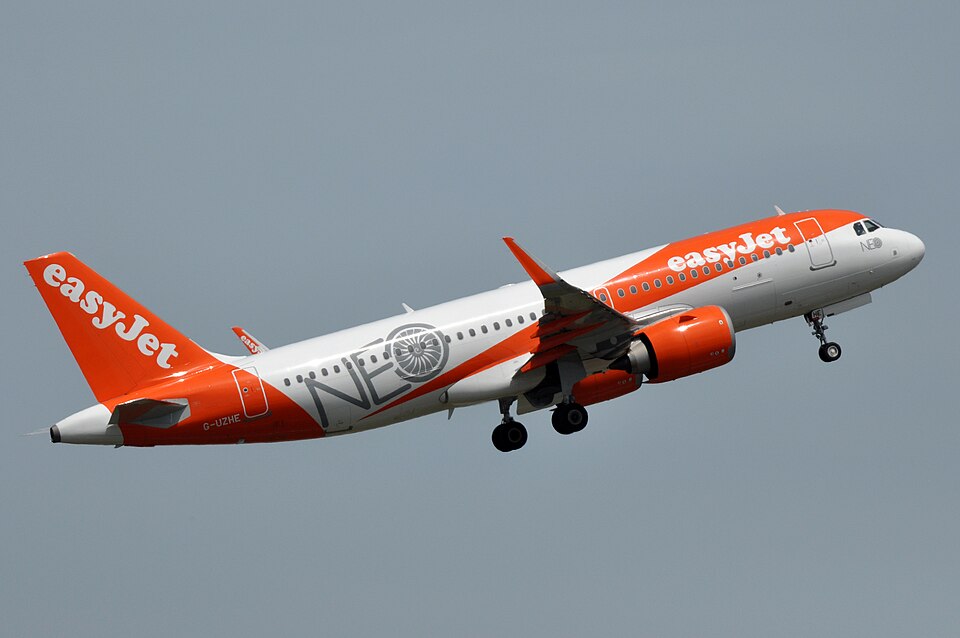
The British low-cost airline EasyJet has attracted the attention of Castlelake, a U.S.-based investment firm, which has expressed interest in potentially acquiring the company. Castlelake, which has already secured a 2.14% stake in EasyJet, is contemplating a bid that would value the airline at no less than 403 pence per share, totaling an approximate £3 billion valuation. EasyJet, however, dismissed the move as “highly opportunistic,” maintaining that its current share price fails to capture the airline’s true long-term value.
EasyJet attributes the recent dip in its share price to temporary market instability, exacerbated by geopolitical tensions in the Middle East. These tensions have adversely affected consumer confidence and driven up jet fuel prices. Despite these challenges, the airline’s board remains optimistic about its financial health, outlining a robust growth strategy and projecting future profitability.
Following the announcement of Castlelake’s interest, EasyJet’s stock experienced a notable increase, reaching its highest point in three months. This surge saw shares climb above the offer price proposed by Castlelake, suggesting that investors anticipate a higher bid or believe the airline’s intrinsic value exceeds the initial valuation.
Under UK takeover rules, Castlelake has until June 26 to formalize its offer, but the acquisition could face regulatory issues. The European Union mandates that European airlines must remain majority-owned and controlled by investors from within the region, a condition that could complicate a takeover by a U.S.-based entity.
As one of Europe’s largest budget airlines, EasyJet operates an extensive network across the continent and employs over 16,000 people. The airline’s appeal to Castlelake underscores the investment firm’s confidence in EasyJet’s long-term profit potential and market standing. This development also points to a broader trend of international investors eyeing UK-listed companies, many of which are still trading at lower valuations compared to their global counterparts.