

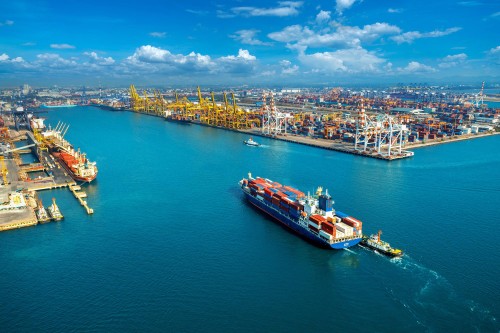
Amid growing concerns about the European Union’s dependence on Chinese imports, EU officials are in discussions about potential new trade restrictions. The rise in Chinese goods across various sectors, including technology, agriculture, and defense, has sparked fears about the impact on European industries. The influx of lower-cost Chinese products could undermine domestic markets and lead to industrial decline in parts of the continent.
EU commissioners are convening to assess the repercussions of increased imports from China, focusing on sectors like manufacturing and healthcare. The discussions are part of what some policymakers refer to as “China Shock 2.0,” a nod to the rapid surge in Chinese exports, which range from electric vehicles to consumer goods. These talks aim to shape a coordinated strategy before upcoming meetings among EU leaders, although no immediate decisions are anticipated.
Considerations on the table include implementing import quotas, tariff-rate quotas, and other trade safeguards to protect industries facing intense competition from subsidized or cheaper imports. While economic experts stress the importance of balancing protective measures, they also emphasize the need for ongoing engagement with China, a major trading partner and essential market for European businesses. The challenge lies in managing trade tensions as China’s industrial strategy continues to prioritize growth in manufacturing and technological advancement.
For Chinese exporters, the EU remains a crucial market, particularly in areas like electric vehicles and advanced manufacturing products. However, any significant EU restrictions could provoke retaliatory actions from Beijing, escalating tensions between the two economic powers. These discussions underscore Europe’s broader initiative to bolster economic resilience while navigating its complex trade relationship with China.