

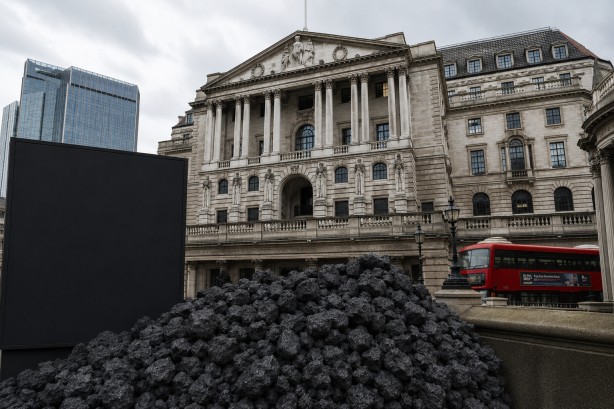
In a move aimed at mitigating climate-related financial risks, the Bank of England has declared that starting October, it will cease accepting bonds associated with thermal coal companies as collateral for its lending practices. This policy change represents a notable shift in how the central bank addresses environmental concerns within its financial operations.
Typically, commercial banks rely on bonds as collateral when borrowing from the central bank to facilitate their routine operations and manage transactions efficiently. However, with the new guidelines in place, any bonds linked to thermal coal—an energy source traditionally burned in power plants for electricity generation—will be excluded from this practice.
The Bank of England highlighted that companies engaged in the thermal coal industry are increasingly vulnerable to financial instability as global efforts to transition toward cleaner energy sources and achieve net-zero emissions intensify. Consequently, investments tied to coal may depreciate over time. To further safeguard its financial standing, the bank will also apply discounts to bonds from other sectors with significant climate risks.
Environmental advocates have lauded this initiative, viewing it as a potent message to financial markets. They believe it could prompt commercial banks to reevaluate and potentially reduce their investments in industries known for high pollution levels. This move aligns with a broader trend, as over 150 major financial institutions globally have already enacted limitations on business dealings related to thermal coal.
Despite the positive reception, analysts caution that the policy’s success will hinge on the method used to assess climate risks and whether similar strategies will be implemented in other environmentally damaging sectors going forward. The effectiveness of the bank’s approach will depend on these future evaluations and adaptations.