

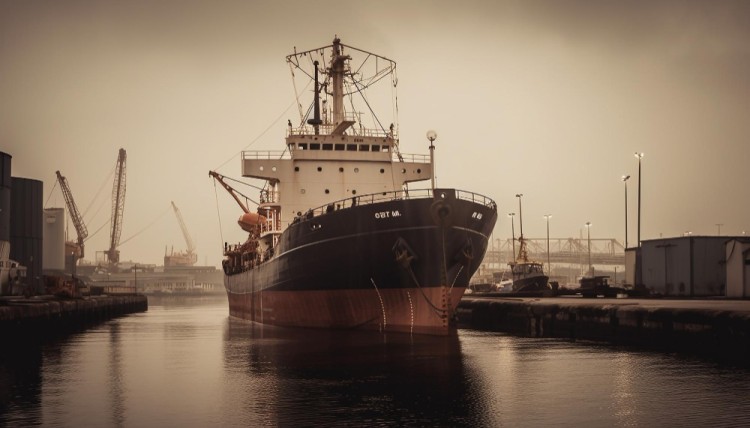
Despite a recent agreement between the United States and Iran, commercial shipping in the Strait of Hormuz faces ongoing challenges, with restrictions expected to persist. Maritime industry officials caution that the resumption of normal operations hinges on the removal of numerous naval mines. Presently, around 80 mines still pose a threat within the main shipping channel, rendering it hazardous for commercial vessels, according to the international tanker owners’ association.
Some ships have cautiously resumed passage through the strait, opting for a narrower route along the Omani coast. However, experts in the industry warn that this alternative path elevates the risk of groundings and maritime accidents. The situation has left hundreds of vessels stranded in the Gulf, creating a substantial backlog. Clearing this congestion could stretch out over weeks or even months, prolonging the disruption that has plagued the area for months.
Compounding the challenges, shipping companies have reported incidents of electronic signal interference during the conflict. These disruptions have affected navigation systems, escalating the risk of collisions in what is already a busy waterway. The Strait of Hormuz is a critical energy corridor on the global stage, facilitating a significant portion of the world’s oil exports. Any continued disruption is poised to impact supply chains, shipping expenses, and energy markets worldwide.
Industry leaders are also expressing unease over Iran’s recent proposal to levy transit fees on commercial vessels once a temporary toll-free period concludes. Shipping companies argue that imposing such fees in international waters would contravene established maritime law and could set a concerning precedent for other crucial global shipping routes.